Havering Council waste rules for Hornchurch cleaning jobs
If you are planning a cleaning job in Hornchurch, the waste question comes up fast. What happens to bagged rubbish, old cloths, dirty water, broken fittings, and bulky items? The short answer is that Havering Council waste rules for Hornchurch cleaning jobs matter because they shape how waste is stored, moved, and disposed of without causing nuisance, fly-tipping risks, or avoidable hassle for the property owner. Get it right and the whole job feels smoother. Get it wrong and, well, things can get awkward pretty quickly.
In this guide, we break down the practical side of local waste handling for cleaning work in Hornchurch, from day-to-day household cleaning jobs to larger commercial or end-of-tenancy work. You will see what to separate, what to avoid, how to reduce waste in the first place, and how to keep your job tidy, professional, and sensible in real-world conditions.
Contents
- Why Havering Council waste rules for Hornchurch cleaning jobs matters
- How Havering Council waste rules for Hornchurch cleaning jobs works
- Key benefits and practical advantages
- Who this is for and when it makes sense
- Step-by-step guidance
- Expert tips for better results
- Common mistakes to avoid
- Tools, resources and recommendations
- Law, compliance, standards, or best practice
- Options, methods, or comparison table
- Case study or real-world example
- Practical checklist
- Conclusion
- Frequently asked questions
Why Havering Council waste rules for Hornchurch cleaning jobs matters
Cleaning jobs create waste in a few different forms. There is the obvious stuff: refuse bags, disposable gloves, paper towels, damaged items, and packaging. Then there are the less obvious bits: waste water from extraction cleaning, lint, soil, pet hair, sanitising wipes, and the odd broken accessory that gets discovered while moving furniture. If you are not thinking about disposal early, the job can become messy in more ways than one.
Hornchurch sits within Havering, so local expectations around waste presentation, collection, and nuisance management are part of everyday work. That matters whether you are a homeowner doing a deep clean, a landlord clearing after tenants, or a professional cleaner handling regular domestic or commercial work. Nobody wants a pile of damp bags left on a pavement, blocked bins at the kerb, or liquid waste tipped somewhere it should not be. To be fair, a lot of problems are avoidable with a little planning.
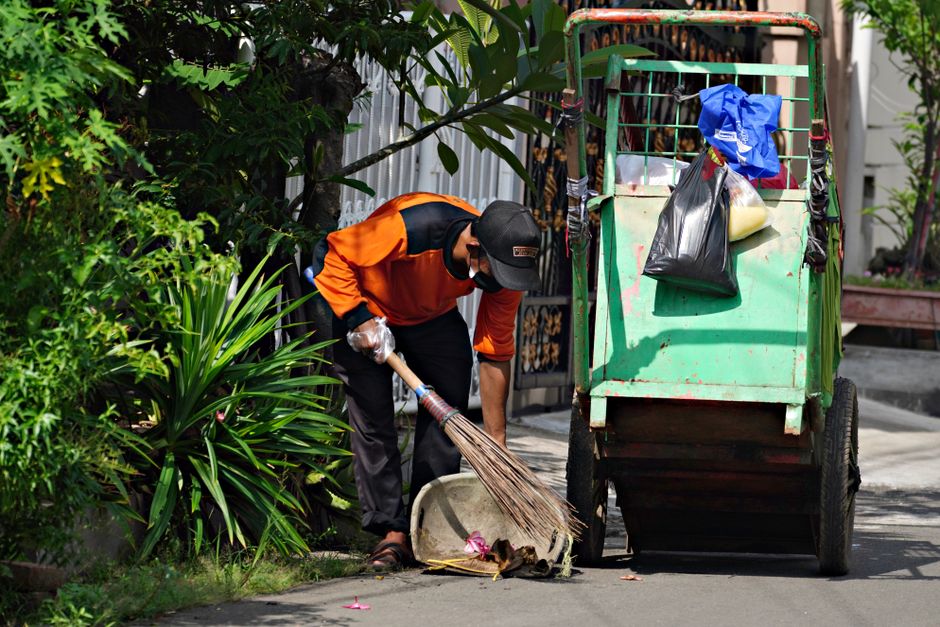
There is also a trust factor. A clean that finishes with a tidy exit feels professional. A client notices when you take the rubbish with you, protect communal areas, and leave no evidence of a rushed departure. It sounds small, but it builds confidence. And in a local area like Hornchurch, reputation travels faster than you think.
What readers often miss
Many people think waste rules only apply to "big rubbish". Not really. The rules affect the whole process, from segregation and storage to transport and final disposal. Even a carpet clean can produce waste that needs handling carefully if it includes contaminated water, damaged underlay, or heavily soiled disposables. The job is not just about cleaning surfaces; it is also about leaving the property safe and orderly afterwards.
How Havering Council waste rules for Hornchurch cleaning jobs works
In practical terms, waste handling on a cleaning job usually breaks into five stages: identify the waste, separate it, contain it, move it safely, and dispose of it using the right route. That sounds very neat on paper. In real life, it can be a bit stop-start, especially when you are working around parking limits, shared entrances, or tight indoor spaces. Still, the basic structure remains the same.
Start by deciding what kind of waste you have. General cleaning waste usually includes non-hazardous rubbish such as used cloths, vacuum dust, packaging, and broken household items that are being removed with the client's agreement. Some jobs also involve contaminated waste, such as strong chemical containers, absorbent materials soaked with cleaning solution, or items soiled with bodily fluids or heavy pet contamination. Those need more care and a more conservative approach.
Next comes separation. Keep dry waste apart from wet waste if possible. Keep sharp or broken items secure. Keep chemical products in their original containers until you are certain they are no longer needed. If you are dealing with wet extraction waste, do not just tip it anywhere convenient. Use appropriate collection and disposal methods, and be mindful of what is going into drains, sinks, or communal areas. It's not glamorous, but it is the bit that protects you from avoidable problems.
For cleaning jobs that generate a lot of waste, such as pre-tenancy clearing, after-build cleaning, or intensive upholstery work, build disposal into the plan before you arrive. That means enough bags, sturdy containers, protective gloves, and a sensible route back to your vehicle. A job that starts with "we'll sort the rubbish out later" tends to end with "why is there a pile by the front door?"
Key benefits and practical advantages
Following the local waste approach properly is not just about avoiding trouble. It makes the cleaning job easier, cleaner, and more efficient. You save time because you are not improvising disposal at the end. You reduce the chance of odours, spills, and complaints. And you give the client a more complete service.
There are also commercial benefits if you work in the cleaning trade. A tidy waste process supports better reviews, smoother handovers, and fewer return visits to fix something that should have been handled first time. If you do commercial work, that professionalism matters even more because site managers and landlords usually care about risk, cleanliness, and clear accountability.
In Hornchurch, the practical advantages are especially noticeable on shared-staircase flats, terraces with limited frontage, and properties where waste storage space is tight. A good system keeps hallways clear, prevents smells building up, and avoids tension with neighbours. Let's face it, no one wants to be remembered as the cleaner who left a trail of wet bags behind.
Most useful benefits at a glance
- Cleaner handovers for tenants, landlords, and homeowners
- Lower risk of complaints about odour, mess, or blocked access
- Better compliance with local waste handling expectations
- Fewer chances of accidental spills during removal
- More professional presentation on every job
Who this is for and when it makes sense
This topic is relevant to quite a few people. If you are a homeowner clearing out a spare room, the rules help you avoid leaving waste where it should not be. If you are a landlord, they help you manage the aftermath of a tenancy without falling into a rushed, disorderly clean-up. If you are a professional cleaner, they are part of doing the job properly.
It also makes sense for property managers, letting agents, office administrators, and anyone arranging end-of-tenancy or deep-clean work in Hornchurch. Sometimes the cleaner provides a full rubbish removal service, sometimes they only remove job-related waste, and sometimes they simply bag and leave it for the client's collection. The key is to be clear before the job starts. Ambiguity is where most headaches begin.
A realistic example: imagine a flat clean after a long tenancy. You may have a stained rug, a few broken hangers, old packaging, and a bag or two of residue from the clean itself. If nobody agrees in advance who removes what, the hallway becomes a holding area and the client assumes the cleaner will sort it. That is exactly the kind of small misunderstanding that snowballs.
If your work includes specialist fabrics or deeper restoration tasks, it helps to understand the service side as well. Pages such as carpet cleaning, upholstery cleaning, and sofa cleaning are useful context for the kinds of jobs that often generate extra waste, lint, and disposal decisions.
Step-by-step guidance
Here is a straightforward process you can follow on most Hornchurch cleaning jobs. It is not fancy, but it works. In our experience, simple systems are the ones people actually keep using.
- Survey the waste before you start. Walk the property and note what will need removal: packaging, damaged items, disposable PPE, chemical containers, or water from extraction cleaning.
- Agree responsibilities. Confirm whether the cleaner, landlord, or resident is responsible for taking waste away. Get that clear at the start, not after the bin bags have stacked up.
- Separate the waste stream. Keep general waste, recyclable material, and contaminated items apart wherever practical.
- Use the right containers. Strong bags, sealed tubs, and lined buckets are better than overfilled carrier bags that split halfway down the stairs.
- Prevent spills. For wet waste, use absorbent materials and secure lids. Move carefully through communal areas and protect floors if needed.
- Check whether anything needs special handling. Strong chemicals, sharps, or heavily contaminated materials should not be treated as ordinary rubbish.
- Remove waste promptly. Do not leave waste in shared entrances, on public pavement, or in a way that blocks access.
- Finish with a final sweep. A quick check for drips, packaging, stray gloves, and loose debris can save a lot of grief later.
That final sweep matters more than people think. The job may look done, but a wet patch by the front step or a broken clip under a radiator can turn into a complaint after you've already driven off. We have all seen that sort of thing.
A simple on-the-day decision rule
If the waste is clean, dry, and ordinary, it is usually straightforward to bag and remove. If it is wet, sharp, chemical, or contaminated, slow down and treat it more cautiously. If you are unsure, the safer route is usually the better one. Not exciting, but sensible.
Expert tips for better results
Good waste handling is often about small, repeatable habits. The cleaner who turns up prepared usually has a calmer day. The one who assumes every job will "just work out" tends to spend extra time hunting for bags, wiping spills, and apologising to residents. A bit dramatic? Maybe. But true enough.
Here are the habits that make the biggest difference in Hornchurch cleaning jobs:
- Bring more bags than you expect to need. Deep cleans always seem to produce a surprise pile somewhere.
- Keep a separate container for chemical waste. This avoids mixing leftover product with general rubbish.
- Use sealed carriers for damp materials. It helps with both hygiene and odour control.
- Protect shared spaces first. A few minutes with floor protection or a dust sheet can prevent a complaint you really do not want.
- Take photos of awkward waste situations if needed. This is useful for record-keeping and to show what was already present before work began.
If you offer specialist treatments such as pet stain and odour removal or stain removal, the waste profile can be a little different. Odour-heavy jobs often need better containment, faster removal, and more attention to ventilation. Nobody wants that lingering smell hanging about in the hallway at 7 p.m.
Another quiet but useful tip: keep a job note for any waste you leave behind for the client to dispose of. Even a simple handwritten list can help avoid "I thought you were taking that" moments. Those moments are not fun. Not at all.
Common mistakes to avoid
Most waste-related problems are not caused by dramatic failures. They come from little assumptions. A bag left too long. A container without a lid. A misunderstanding about what counts as the cleaner's responsibility. Tiny stuff, but it adds up.
- Leaving waste at the property boundary. If it is in a public or shared area, it can cause complaints or enforcement issues.
- Mixing all waste together. This makes handling harder and can create hygiene issues.
- Overfilling bags. Weak seams split, especially with damp cloths or sharp packaging.
- Assuming drain disposal is always acceptable. Liquid waste needs judgement, and not every liquid should go down the sink.
- Forgetting about odour. Pet jobs, food residue, and contaminated cloths can smell much worse after a few hours in a warm van.
- Not confirming access. If bins are locked away or waste collection points are hard to reach, you need a plan before arrival.
One of the more common slips is treating a cleaning job like a general tidy-up and forgetting that the waste produced still needs proper control. That is especially risky on commercial work, where access routes, bin stores, and shared spaces all add another layer of responsibility.
Tools, resources and recommendations
You do not need specialist equipment for every job, but the right basic kit makes waste handling easier and cleaner. The gear below is simple, reliable, and worth having on hand if you work regularly in Hornchurch.
| Tool or item | Why it helps | Best use case |
|---|---|---|
| Heavy-duty bin bags | Reduces tearing and leaks | General cleaning waste, damp cloths, packaging |
| Sealable tubs or buckets | Contains wet or odorous waste | Extraction residue, soaked materials, chemical-related waste |
| Disposable gloves | Protects hands during handling | Any waste with grime, moisture, or cleaning residue |
| Dust sheets or floor protection | Prevents mess in communal areas | Stairwells, hallways, entrances |
| Absorbent cloths | Controls small spills quickly | Wet waste transfer and extraction jobs |
| Job note or checklist | Keeps responsibilities clear | Handovers, landlord jobs, mixed-responsibility cleaning |
For clients comparing service options, it can also be useful to review broader operational pages such as steam carpet cleaning, rug cleaning, and mattress cleaning, because these jobs often create different waste and containment needs than a standard surface clean.
If you are looking at how a company handles trust and process more generally, the pages on health and safety policy, insurance and safety, and recycling and sustainability can help you understand the wider approach behind the scenes.
Law, compliance, standards, or best practice
Waste handling in cleaning work touches on general UK waste duties, duty of care, and local council expectations around keeping streets and shared spaces clear. Without getting legalistic, the safe approach is simple: know what you are carrying, keep it contained, and dispose of it through an appropriate route. If waste is potentially hazardous or contaminated, be more cautious and avoid casual assumptions.
For professional cleaners, it is best practice to document unusual waste situations, especially where the client has asked for disposal of damaged items, spoiled materials, or anything that may cause health or hygiene concerns. If a job involves commercial premises, there may also be site rules on loading areas, waste stores, and access times. Those rules can matter just as much as council guidance, sometimes more so on the day.
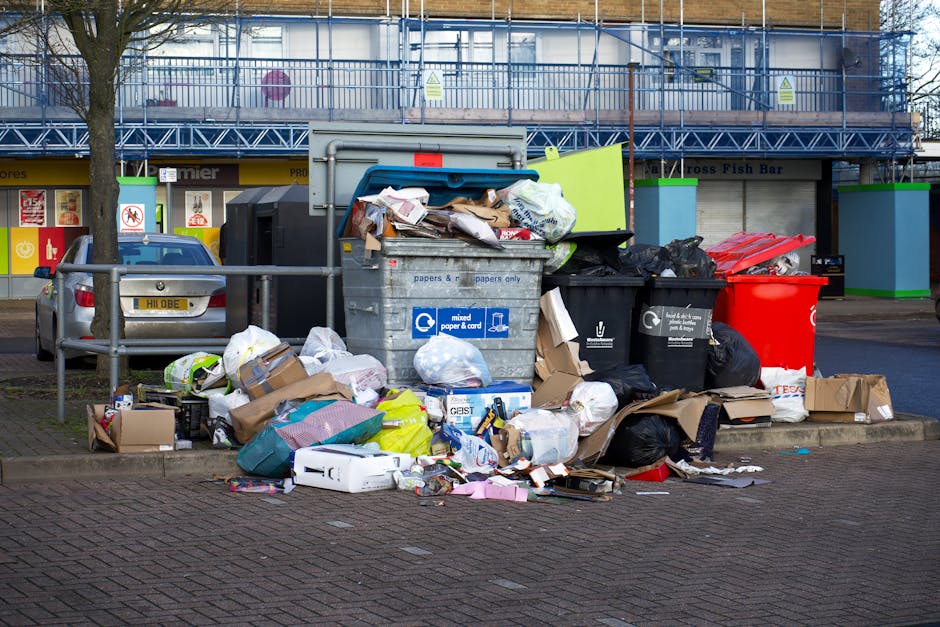
One point worth stressing: do not use public land, pavements, communal hallways, or bin stores as temporary dumping points unless there is clear permission and a proper arrangement. That is where many avoidable complaints begin. In a busy street in Hornchurch, with people coming and going and bins already squeezed in, even a small mistake can be noticeable.
Best practice also includes a basic environmental mindset. Reduce waste where you can. Reuse containers where it is safe to do so. Keep recyclable material separate where practical. Cleaners do not need to be perfect, but they should be thoughtful. That balance is usually enough.
Options, methods, or comparison table
Different jobs need different waste methods. Here is a simple comparison to help you choose the right approach without overcomplicating it.
| Method | Best for | Pros | Watch-outs |
|---|---|---|---|
| Bag and remove with the cleaner | Small to medium domestic cleaning jobs | Fast, tidy, convenient for the client | Needs enough vehicle space and safe loading |
| Separate and leave for client collection | Routine household waste or agreed landlord arrangements | Simple and low-cost | Must be clearly agreed and stored properly |
| Special handling for contaminated items | Pet contamination, bodily fluids, strong odours, chemical residue | Safer and more controlled | Needs extra care, containment, and judgement |
| Commercial site disposal route | Office, retail, or managed premises | Works well when site rules are clear | Access windows and site procedures must be followed |
For many Hornchurch homes, the most practical option is still a straightforward bag-and-remove process, especially when waste volume is modest. On larger or more awkward jobs, though, the right answer is often a mixed method: some waste removed immediately, some separated for later collection, and some kept in secure containment until the job is fully done.
Case study or real-world example
Imagine a late-afternoon end-of-tenancy clean in a Hornchurch flat. The tenant has already moved out. There is a dusty carpet, a marked sofa, a few broken household bits, and a couple of bags of residue from the clean itself. Nothing dramatic, but enough to make the hallway feel cramped if handled badly.
The first thing the cleaner does is separate the waste into three parts: ordinary rubbish, items to be kept for the client, and damp materials from the cleaning process. The damaged small items are bagged securely. The wet cloths go into a sealed container rather than a loose sack. The hallway is protected during the carry-out, and the final sweep checks for drips near the front door.
The result? The client gets a clean room and a tidy exit. The cleaner avoids leaving any awkward mess behind. The neighbours barely notice the job happened. That last bit is often the best sign everything was handled well. Quiet, neat, done.
Now imagine the same job, but with no plan. Waste is piled by the entrance, a damp cloth leaks onto the carpeted stairwell, and no one agrees whose job it is to remove the broken furniture parts. That version takes longer, looks worse, and usually costs more in time and goodwill. Not ideal.
Practical checklist
Use this checklist before and after any Hornchurch cleaning job where waste will be created:
- Confirm who is responsible for waste removal
- Check whether the job involves general, wet, contaminated, or sharp waste
- Bring enough strong bags and sealed containers
- Keep chemical products separate from ordinary rubbish
- Protect communal areas before carrying waste through them
- Do not leave waste in public or shared spaces
- Remove damp or odorous material promptly
- Take a final look for spills, drips, and loose debris
- Leave clear notes if anything is being kept or collected later
- Review the job afterwards and adjust your process for next time
It is a simple list, but it saves a lot of stress. Honestly, a good checklist is one of the best business tools going.
Get a free quote today and see how much you can save.
Conclusion
Havering Council waste rules for Hornchurch cleaning jobs are not something to bolt on at the end. They are part of a clean, professional, and low-risk service from the start. Whether you are cleaning a house, a rented flat, or a business property, the same principle applies: identify the waste, contain it properly, and leave the place in a better state than you found it.
That approach keeps clients happier, reduces problems, and makes your work feel more controlled. And that matters. A lot of the time, the difference between an okay cleaning job and a genuinely good one is not the machine or the product. It is the care taken with the details no one else notices.
If you build the habit now, the rest becomes easier. Cleaner jobs, calmer handovers, fewer surprises. That's the goal, really.
Frequently Asked Questions
What waste is usually created during a Hornchurch cleaning job?
Typical cleaning waste includes used cloths, disposable gloves, packaging, dust bags, damaged items removed with permission, and sometimes wet residue from extraction or deep-clean work. Some jobs also create odorous or contaminated waste that needs extra care.
Can a cleaner leave rubbish in a communal hallway or outside the property?
Usually no, unless there is a clear arrangement and safe, lawful place to do so. Communal areas and pavements can quickly become a nuisance, and that is where complaints tend to start. It is far better to remove or securely store waste properly.
Do Havering Council waste rules apply to homeowners as well as professional cleaners?
Yes, in practical terms the expectations affect both. Homeowners still need to avoid creating mess, blocking access, or dumping waste in unsuitable places. Professional cleaners simply face a higher standard because they are carrying out the job as a service.
What should I do with wet cloths or materials after a deep clean?
Keep them contained in a sealed or lined container if possible, then dispose of them promptly through the agreed waste route. Wet materials can smell quickly, especially in warmer weather or inside a van, so do not leave them sitting around.
Are cleaning chemicals treated differently from general waste?
They can be. Leftover chemicals, strong containers, or contaminated absorbent materials should be handled carefully and kept separate from ordinary rubbish where practical. Always check the product instructions and avoid casual disposal.
What is the safest way to manage waste on an end-of-tenancy clean?
The safest method is to agree responsibilities in advance, separate waste streams, use strong bags, and remove everything promptly. End-of-tenancy jobs often create the most confusion because people assume someone else is handling the final clear-up.
Do I need special handling for pet-related cleaning waste?
Often, yes. Pet stain and odour jobs can involve smelly cloths, contaminated debris, and materials that need fast containment. If you work on these jobs regularly, treat odour control as part of waste handling, not an afterthought.
What happens if waste is left where it should not be?
It can lead to complaints, delays, extra cleaning time, and possible enforcement issues depending on the situation. Even when nobody complains immediately, poor waste handling can damage trust. People notice that stuff more than you might think.
How can I reduce waste on a cleaning job?
Use reusable equipment where safe, avoid overusing disposables, separate waste properly, and only remove items that have been agreed in advance. A tidy, planned job nearly always creates less waste than a rushed one.
What should I ask before booking a cleaning job in Hornchurch?
Ask who is responsible for waste removal, whether there are bulky items to move, whether the property has shared access, and whether any waste may be contaminated or odorous. Those four questions prevent a surprising amount of trouble.
Is waste handling part of a professional cleaner's duty of care?
Yes, in a practical sense. A professional cleaner should not just clean surfaces; they should also manage the work area responsibly and leave the property safe and orderly. That is part of being reliable, not an optional extra.
Where can I get more information about related cleaning services?
You can explore related service pages such as commercial carpet cleaning, curtain cleaning, and pet stain odour removal to see how different jobs can affect waste handling and preparation.