Dog Mud Carpet Cleaning After Hornchurch Country Park Visits: A Practical Guide for Cleaner, Fresher Homes
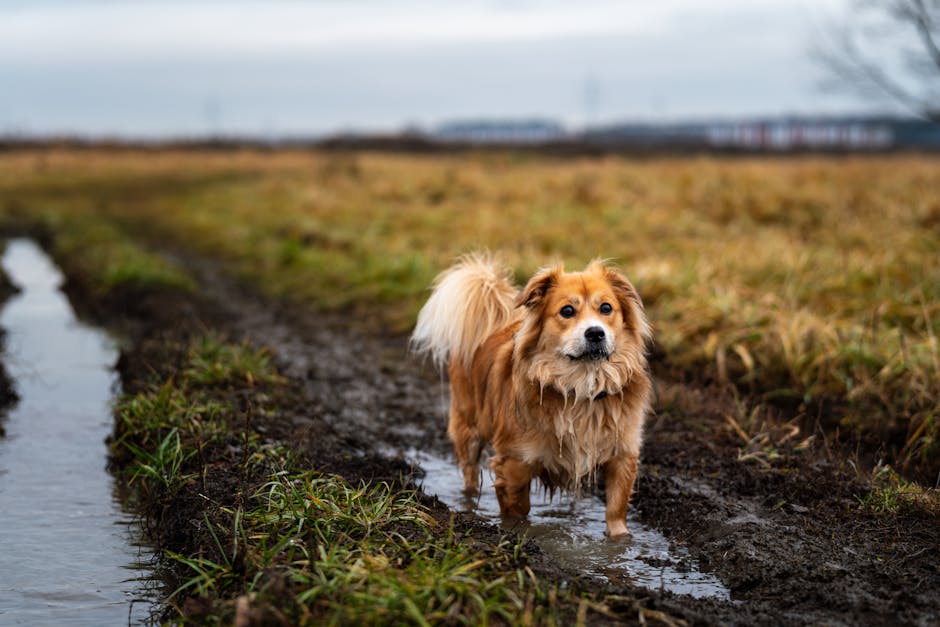
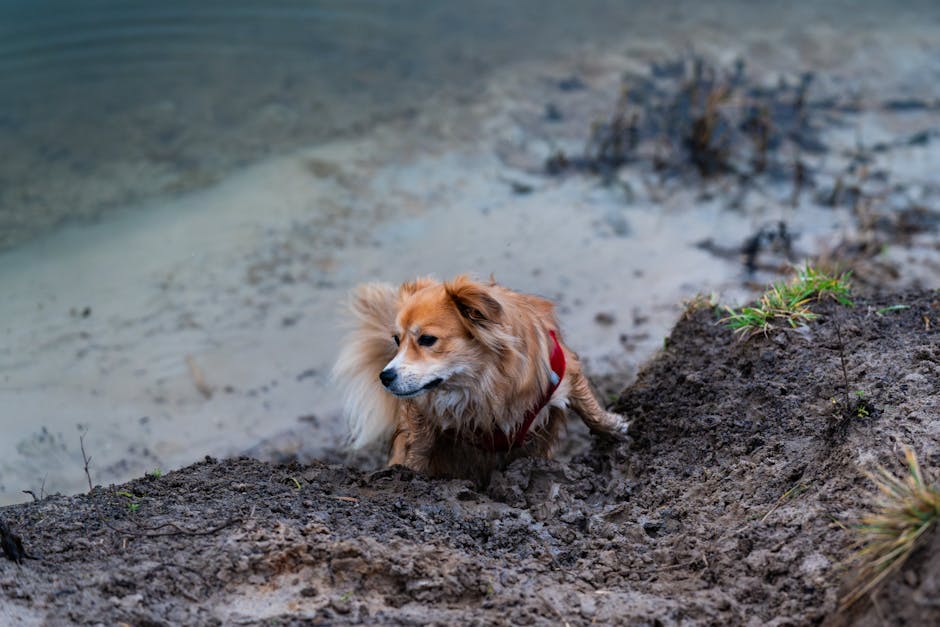
If your dog comes back from Hornchurch Country Park with muddy paws, a damp coat, and that unmistakable "I've had a brilliant time" look, you already know what happens next: the carpet takes the hit. Dog mud carpet cleaning after Hornchurch Country Park visits is one of those ordinary, annoying jobs that can quietly become a bigger problem if it is left too long. The good news is that most mud damage is manageable with the right approach, and a bit of know-how goes a long way.
In this guide, we'll look at why post-walk mud matters, how to deal with it properly, which cleaning methods work best, and when it makes sense to bring in professional help. We'll also cover common mistakes, practical tools, and a realistic checklist you can actually use after those wet Essex walks. No drama, just solid advice.
Table of Contents
- Why Dog mud carpet cleaning after Hornchurch Country Park visits Matters
- How Dog mud carpet cleaning after Hornchurch Country Park visits Works
- Key Benefits and Practical Advantages
- Who This Is For and When It Makes Sense
- Step-by-Step Guidance
- Expert Tips for Better Results
- Common Mistakes to Avoid
- Tools, Resources and Recommendations
- Law, Compliance, Standards, or Best Practice
- Options, Methods, or Comparison Table
- Case Study or Real-World Example
- Practical Checklist
- Conclusion
- Frequently Asked Questions
Why Dog Mud Carpet Cleaning After Hornchurch Country Park Visits Matters
Hornchurch Country Park is the kind of place that does a dog good: open space, interesting smells, muddy edges after rain, and enough freedom to leave home with a tired but very happy pet. The trouble starts when that excitement comes indoors. Mud is not just dirt sitting on the surface. It can work into carpet fibres, settle into the pile, and, if the dog was wet as well as muddy, carry a little more than soil with it.
Why bother dealing with it promptly? Because waiting usually makes things worse. Mud dries, powderises, gets walked into other rooms, and can leave dull patches or staining. If there's moisture involved, you may also end up with odour, flattening, or even a musty smell from the underlay. That's not the sort of "natural countryside scent" anyone wants in the lounge.
There's also a simple lifestyle point here. Many homes in Hornchurch and the wider Havering area have busy family traffic, pets, and carpets that need to work hard. A little routine after each park visit can save a lot of effort later. Truth be told, most carpet damage from pets is not caused by one huge disaster; it's caused by repeated small, muddy moments.
Practical takeaway: the faster you remove wet mud, the less likely it is to stain, spread, or leave an odour behind. Early action usually means easier cleaning and a better-looking carpet.
How Dog Mud Carpet Cleaning After Hornchurch Country Park Visits Works
Effective cleaning is less about scrubbing hard and more about removing soil in the right order. If you attack mud immediately with too much water or a harsh brush, you can push the particles deeper into the fibres. That's the sort of mistake that turns a small patch into a bigger job.
The process normally follows a simple logic:
- Lift away loose dirt first. Dry mud can be vacuumed or gently lifted before any liquid is introduced.
- Treat the stain carefully. A mild, suitable cleaning solution helps loosen remaining residue.
- Blot rather than grind. Pressure should pull dirt out, not force it in.
- Rinse lightly if needed. Too much moisture can cause new problems, so controlled application matters.
- Dry properly. Good airflow helps prevent lingering dampness and smells.
Different carpet types behave differently. Wool, synthetic fibres, loop pile, and older carpets all respond in their own way. That's why a one-size-fits-all approach rarely gives the best result. A synthetic hallway runner may tolerate slightly more robust cleaning than a delicate wool lounge carpet, for example. Not glamorous, but very true.
Professional carpet cleaners often use extraction, spot treatment, and fibre-safe pre-conditioning techniques, depending on the situation. For heavy dog mud after a rainy park walk, that method can be far more reliable than repeated home cleaning attempts.
Key Benefits and Practical Advantages
Good mud removal does more than make the carpet look better. It protects the home in several quieter ways that people notice only when they're missing.
- Cleaner appearance: obvious muddy footprints, paw marks, and dull patches are reduced.
- Less odour: damp earth and outdoor debris can create a lingering smell if left in place.
- Longer carpet life: grit acts like fine sandpaper under foot traffic, wearing fibres down over time.
- Better indoor hygiene: muddy residue can carry pollen, general outdoor grime, and whatever else the park path picked up.
- Less spreading: when carpet fibres trap dirt, it gets transferred to socks, furniture, and adjacent rooms.
- Faster reset after walks: a repeatable routine makes rainy-day dog ownership much less stressful.
There's also a psychological benefit, if that sounds a bit grand. A clean, fresh carpet makes the whole room feel more settled again after a messy walk. You notice it in the evening when the dog has curled up, the kettle is on, and the floor no longer looks like a miniature marsh.
Who This Is For and When It Makes Sense
This topic is relevant to more people than you might think. If you walk a dog in Hornchurch Country Park regularly, especially in wetter months or after a spell of rain, then you're probably dealing with recurring mud somewhere in the home.
It makes sense if you are:
- a dog owner who uses the park often
- a family with children and pets sharing carpeted spaces
- renting a property and trying to protect your deposit
- preparing for guests after a messy week of wet walks
- managing a hallway, living room, or stair carpet that sees daily paw traffic
- dealing with a stain that has already dried and become stubborn
It also matters if your dog has a thick coat, long feathering on the legs, or a habit of charging straight from the door to the sofa. Some dogs are meticulous. Others, let's face it, behave like they've just finished a sponsored mud bath.
If the mud is frequent rather than one-off, a professional deep clean may be more cost-effective than repeatedly patching over the same issue at home. You don't need to wait for the carpet to look terrible before acting.
Step-by-Step Guidance
Here's a practical method that works well for most carpeted homes after a muddy park visit. Keep it simple. That is usually where the best results come from.
1. Stop the mud from spreading
Before anything else, guide the dog away from soft furnishings and high-traffic rooms. If possible, use a towel or mat by the door. The first minute matters more than people think.
2. Let wet mud dry slightly, if appropriate
This sounds odd, but it's often easier to remove some types of mud once they are not fully wet. Do not let it sit for hours; just avoid smearing it in the first panic. If the stain is soaking, blot gently with a clean cloth first.
3. Vacuum loose particles carefully
Use a vacuum cleaner to lift up dry soil and grit. Avoid aggressive brushing at this stage. You want to remove, not grind. If your vacuum has a carpet nozzle, even better.
4. Test a small area
Any cleaning solution should be tested on a hidden patch first. This is one of those boring steps that saves real trouble later. Discolouration on a visible patch is a pain to reverse.
5. Apply a mild carpet-safe cleaner
Use a solution suitable for your carpet type and apply it sparingly. A clean white cloth is often better than a spray blast. Work from the outside of the stain inwards so the mud doesn't spread.
6. Blot, lift, and repeat
Press the cloth into the stain, then lift. Change to a fresh section as it picks up dirt. Repeat with patience. Rushing here usually makes the stain larger. It's a bit tedious, yes, but effective.
7. Rinse lightly if needed
If the cleaner leaves residue, use a small amount of clean water on a cloth to remove it. Do not soak the area. Over-wetting can lead to longer drying times and a dull finish.
8. Dry the carpet thoroughly
Open windows if the weather allows, use gentle airflow, and keep pets off the area until dry. If the carpet still feels damp after a reasonable drying period, a more thorough extraction clean may be needed.
9. Check for leftover odour or shadowing
Sometimes the stain itself is gone but the carpet still smells earthy or looks slightly shadowed. That can happen when residue remains in the pile or underlay. A deeper clean may be the next step.
Expert Tips for Better Results
Here's where experience makes life easier. Small adjustments often make a bigger difference than people expect.
- Work quickly, but not frantically. A calm response usually cleans better than a rushed one.
- Keep a dedicated dog towel near the door. If it's always within reach, you'll actually use it.
- Use a doormat inside and outside the entrance. Two barriers are better than one.
- Protect high-risk areas. Hallway runners, stair carpets, and sofa-adjacent areas often need the most attention.
- Treat stains before they are crushed by foot traffic. Once mud gets ground in, it becomes more stubborn.
- Consider the weather. After heavy rain, park mud can be finer, wetter, and harder to remove.
- Ventilation helps more than people think. Dry carpets smell fresher and are less likely to develop lingering dampness.
One small but useful habit: keep a basic clean-up kit together rather than searching cupboards when the dog arrives through the door like a muddy tornado. A cloth, a towel, and a suitable carpet cleaner in one place can save a lot of faffing around.
If you have wool carpets or an older pile, be gentler than you think you need to be. Natural fibres can behave differently, and a heavy-handed scrub can leave texture changes that are more visible than the stain itself.
Common Mistakes to Avoid
Most carpet cleaning problems are not caused by bad luck. They come from a few predictable mistakes.
- Scrubbing too hard: this can fray fibres and push dirt deeper.
- Using too much water: excess moisture can spread the stain and slow drying.
- Skipping the vacuum step: dry grit should come out first, otherwise it acts like abrasive dust.
- Using random household products: some can discolour carpet or leave sticky residue.
- Ignoring the underlay: if odour lingers, the problem may be deeper than the visible pile.
- Leaving muddy shoes and paws unchecked at the door: prevention is not glamorous, but it works.
Another quiet mistake is waiting for "a better day" to deal with it. By the time that day arrives, the stain has usually settled in and the job is less pleasant. Not impossible. Just less pleasant.
Tools, Resources and Recommendations
You do not need a giant box of specialist gear for every muddy-paw incident. A few sensible tools cover most situations.
- Vacuum cleaner: for removing dry soil and grit before wet cleaning.
- Clean white cloths or microfibre towels: useful for blotting without transferring colour.
- Carpet-safe spot cleaner: choose one suitable for your carpet type.
- Soft brush: helpful for loosening dried dirt very gently.
- Bucket or bowl for clean water: use sparingly for rinsing.
- Fan or open-window airflow: supports drying.
- Door mat and paw towel: prevention tools, but highly underrated.
If the stain keeps returning in the same area, or the carpet has lost its freshness even after spot treatment, professional cleaning may be the better route. You can learn more about the company background on the about us page, or check their pricing and quotes information if you are comparing options.
For practical service questions, the contact page is a sensible next step. If you care about how your data is handled while making an enquiry, it is also worth reading the site's privacy policy and payment and security information.
Law, Compliance, Standards, or Best Practice
This topic is mostly practical rather than legal, but there are still a few standards of good practice worth mentioning. In homes, the main concern is safe, careful cleaning that avoids damage to flooring, furnishings, and indoor air quality. In rental properties, tenants and landlords often prefer carpets to be maintained in a reasonable condition, especially where pets are involved. Exact responsibilities depend on the tenancy agreement and the condition of the carpet, so it is wise to read your own paperwork rather than assume.
For household cleaning, a few sensible norms apply:
- Use products according to the manufacturer's instructions.
- Keep cleaning chemicals out of reach of pets and children.
- Ventilate rooms during and after cleaning where possible.
- Be cautious with delicate materials such as wool or specialist stain-resistant finishes.
If you are hiring a professional cleaner, it is reasonable to ask about insurance, public liability cover, and safe working practices. That is not being awkward; that is just sensible. For reassurance, you can review the company's insurance and safety information and its health and safety policy. If you need accessibility support when browsing or enquiring, the accessibility statement is also available.
There is also a wider responsibility angle for professional service providers: disposal of dirty water, product use, and general waste handling should be done with care. If sustainability matters to you, the company's recycling and sustainability information is worth a look.
Options, Methods, or Comparison Table
Not every muddy carpet needs the same treatment. The right method depends on how fresh the stain is, how large the area is, and what type of carpet you have.
| Method | Best for | Advantages | Limitations |
|---|---|---|---|
| Blotting and light spot cleaning | Fresh muddy paw marks | Quick, cheap, and effective when done early | May not remove deep residue or odour |
| Vacuum plus targeted cleaner | Dry mud on everyday carpets | Good balance between speed and care | Needs patience and the right product |
| Deep extraction cleaning | Repeated muddy visits or larger stained areas | Reaches deeper into the pile and can refresh the carpet overall | Needs equipment and drying time |
| Professional carpet cleaning | Stubborn stains, smell, or delicate carpets | Best for thorough, even results and peace of mind | Higher cost than basic DIY cleaning |
For many homes, the ideal answer is a mix: quick at-home attention after each park visit, then periodic professional cleaning when the carpet starts to look tired or the same stain keeps returning. That combination tends to work very well, frankly.
Case Study or Real-World Example
Imagine a family in Hornchurch with a lively spaniel who loves a run through Hornchurch Country Park after rain. By the time they get back, the dog has muddy lower legs, a wet belly, and a grin that says the whole adventure was worth it. The hallway carpet shows the evidence within minutes: a few clear paw prints, some faint smears near the door, and a darker patch where the dog paused to shake.
At first, they try wiping it with a kitchen towel. That removes a bit, but not enough. The stain starts to dry, and by the evening the carpet looks dull and slightly rough in texture. They vacuum carefully the next day, blot the area with a suitable cleaner, and improve it. Still, the mark lingers. A couple of weeks later, after another wet walk, the same area picks up more dirt. You can probably guess what happens next.
That is usually the point where professional help makes sense. Not because the carpet is ruined, but because repeated spot cleaning has done all it reasonably can. A proper deep clean can reset the pile, remove hidden residue, and make the hallway feel fresh again. The difference is often more noticeable than people expect, especially in natural daylight near an entrance.
This is one of those jobs where prevention and maintenance work hand in hand. Small daily habits, then a proper clean when needed. Simple, but effective.
Practical Checklist
Use this after any muddy visit to the park. It keeps the job manageable.
- Keep a towel or cloth by the front door.
- Remove the dog's muddy paws before walking further inside.
- Let thick mud dry slightly if needed, then vacuum loose dirt.
- Test any cleaner on a hidden carpet area.
- Blot gently rather than scrubbing.
- Use minimal moisture.
- Allow good airflow for drying.
- Check for lingering smell or shadowing after the carpet dries.
- Repeat spot treatment only as needed; do not overwork the same patch.
- Book a deep clean if stains keep coming back or the carpet looks tired overall.
Quick rule of thumb: if the carpet still feels gritty, smells damp, or looks patchy once dry, it probably needs more than a casual wipe-down.
Get a free quote today and see how much you can save.
Conclusion
Dog mud carpet cleaning after Hornchurch Country Park visits is really about staying one step ahead of a very normal pet-owner problem. If you deal with mud promptly, use the right technique, and avoid heavy scrubbing or over-wetting, you can protect your carpet and keep your home feeling fresh. For stubborn stains, recurring paw traffic, or delicate carpet fibres, a professional clean is often the calm, practical choice.
Most importantly, do not treat muddy paws like a disaster. They are just part of a good walk, a happy dog, and a home that gets lived in. Handle the mess well, and the rest of the evening can go back to normal pretty quickly.
And honestly, that is the aim: less stress, cleaner carpets, and one more good walk in the bank.
Frequently Asked Questions
How do I clean dog mud from carpet after a walk in Hornchurch Country Park?
Start by stopping the mud from spreading, then let any thick mud dry slightly before vacuuming loose dirt. Blot the stain with a carpet-safe cleaner and a clean cloth, using gentle pressure rather than scrubbing. Dry the area well afterwards.
Should I clean muddy carpet stains while they are wet or dry?
It depends on the amount of mud. Very wet mud can often be blotted first, but thick clumps are usually easier to remove once they have dried a little. The key is not to smear the stain further into the pile.
Can I use washing-up liquid on dog mud stains?
Sometimes people do, but it is safer to use a cleaner designed for carpets. Household products can leave residue or affect the carpet finish. Always test any cleaner on a hidden area first.
Why does my carpet still smell after the mud stain is gone?
The smell may come from residue deeper in the fibres or underlay, especially if the carpet got damp. In that case, a deeper clean may be needed rather than another surface wipe.
Will vacuuming dry mud damage my carpet?
No, as long as you are gentle and use a suitable nozzle. Vacuuming is usually the best first step for dry soil and grit because it removes abrasive particles before they get ground in.
How often should I deep clean carpets if I walk my dog a lot?
There is no single rule, because it depends on foot traffic, carpet type, and how muddy your dog gets. Homes with frequent muddy visits often benefit from periodic professional cleaning rather than waiting for obvious staining.
Is professional carpet cleaning worth it for pet mud?
Yes, especially if stains are recurring, large, or stubborn. Professional cleaning can reach deeper into the carpet pile and often refreshes the overall look much better than spot cleaning alone.
What should I do before the cleaner arrives?
Vacuum loose dirt, move small items off the floor, and point out any areas that get repeated pet traffic. If you are asking for a quote or booking, it is also useful to check the company's pricing and terms in advance.
How can I reduce mud being tracked into the house in the first place?
Use an outdoor and indoor mat, keep a towel by the door, and wipe paws before your dog runs through the house. Small habits make a noticeable difference, especially after wet park visits.
Can mud damage wool carpets more than synthetic carpets?
Wool can be more delicate and may need a gentler approach. Synthetic carpets are often more forgiving, but all carpets can suffer if mud is left to dry in layers or is scrubbed too aggressively.
What if the stain keeps coming back after cleaning?
That usually means some residue has remained in the pile or underlay. A more thorough clean is often the answer, especially if the area sees repeated muddy paw traffic from the same doorway or hallway route.
How do I know if I should book a cleaner instead of doing it myself?
If the stain is old, the smell lingers, the carpet feels rough, or the same patch keeps getting dirty, professional cleaning is likely the better option. It saves time and usually gives a more even result.
Are there any safety points I should think about when cleaning pet mud?
Keep cleaning products away from pets, do not over-wet the carpet, and ventilate the room where possible. If you hire a professional, it is sensible to review their safety and insurance information before booking.
For any next step, whether that is a quick question, a quote, or a deeper clean, it helps to choose a service that is transparent and easy to deal with. You can review the company's terms and conditions and complaints procedure if you want to understand how things are handled. A bit of clarity goes a long way, doesn't it?